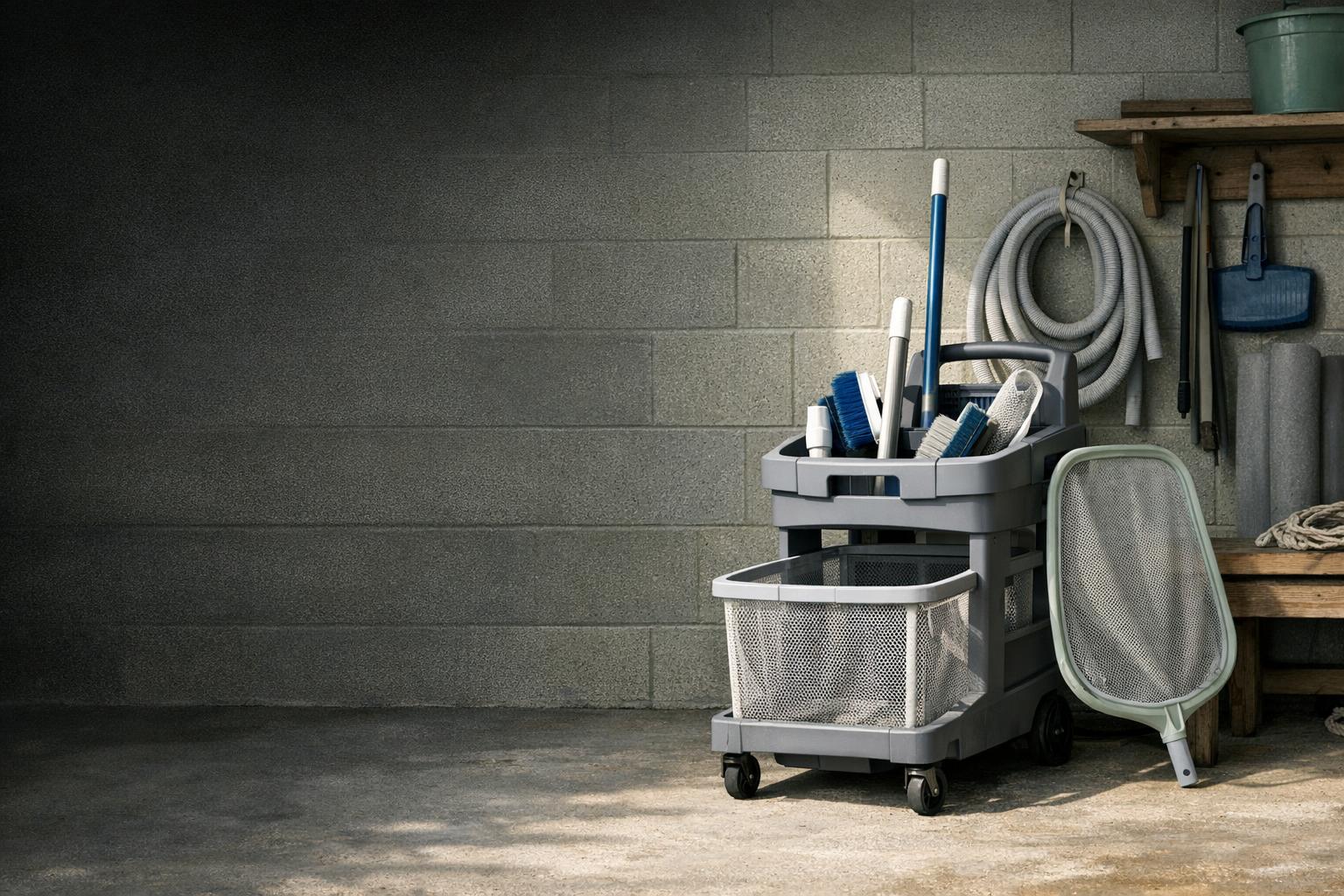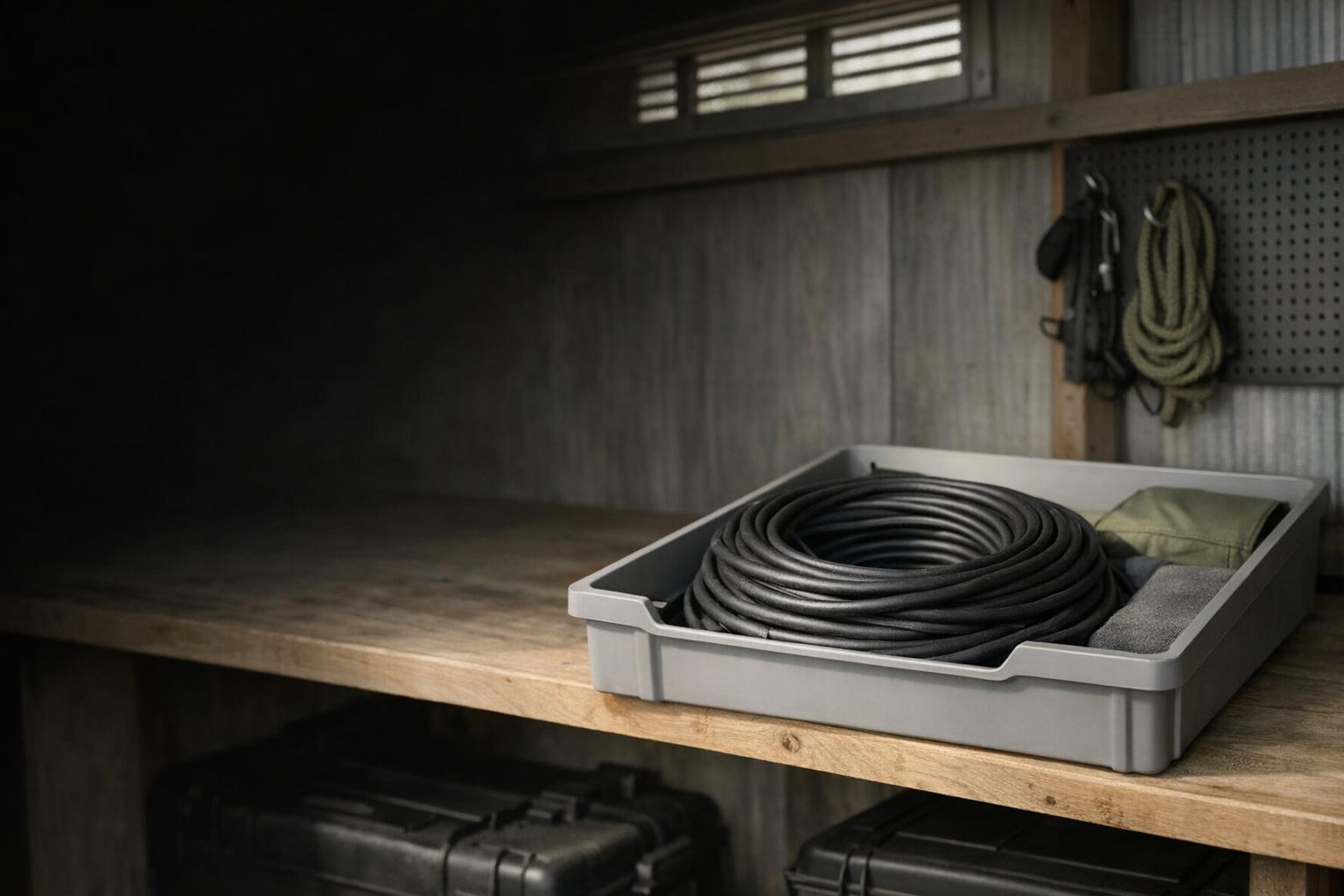
Cable care begins before the robot enters the water. A repeatable setup makes it easier to spot a new tangle, a reach problem, or physical damage. Use the cleaner manual as the authority for handling and electrical precautions; the workflow below helps organize those instructions without substituting a universal cable procedure.
Separate the two cable jobs
Distinguish the supply connection to the outlet from the floating cable that connects the robot. Photograph the model labels and connectors for your records. Do not assume a rule for the floating lead also applies to the mains cord, or that a similar connector makes another power supply suitable.
The Maytronics MTC8-UNI manual specifies its original supplied power unit and a protected outlet.[2] Read the equivalent section for your own machine. If the available outlet arrangement conflicts with the instructions, solve that before operation. Our power-system comparison can help assess whether your layout supports a corded routine in the first place.
Set a consistent deployment location
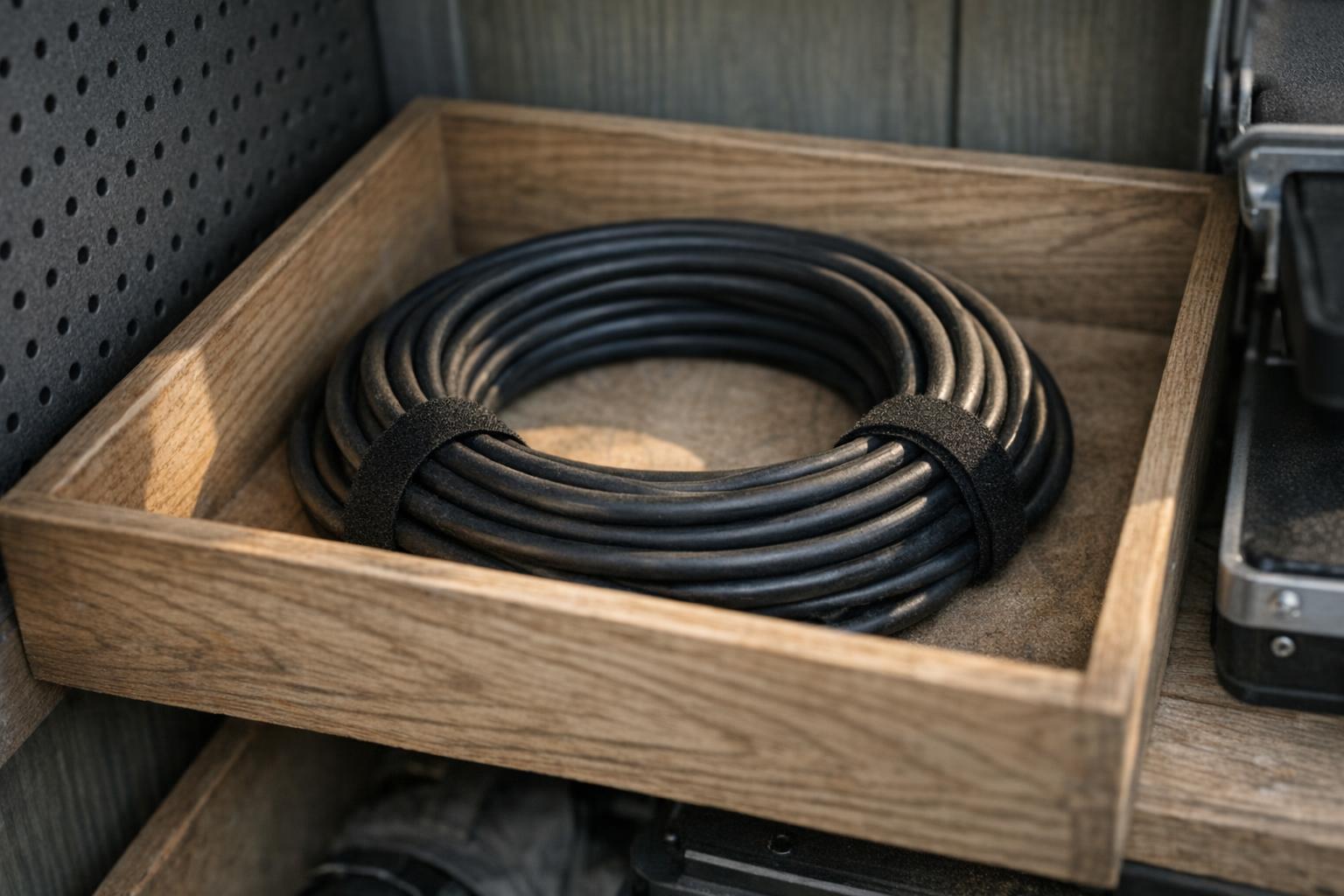
Choose the supply position allowed by the manual and keep it out of traffic. Plan the path between that location and the water without trapping cable under furniture, a gate, or a heavy storage box. Identify the normal entry point so different household members do not improvise a new arrangement every session.
Maytronics getting-started guidance calls for only the cable needed to cover the pool, with excess outside the water.[4] Use your model instructions to establish that length. Then record the setup with a simple photograph. Consistency helps distinguish a genuine change in robot behavior from a different cable arrangement or launch point.
Observe a tangle before trying to cure it
If the cable tangles, note where it begins and what the robot is doing nearby. Is it repeatedly circling at an obstacle? Does a loop catch under a ladder? Has more cable been placed in the water than on previous successful sessions? These observations are more useful than immediately buying a replacement lead.
Maytronics advises checking wheel or track obstruction when a Dolphin twists its cable.[6] Inspect only after shutdown and isolation as directed. Do not try to free a moving cleaner by pulling sharply on the lead. If the manual provides a specific untangling process, use it; otherwise ask support rather than applying heat or improvised tools.
Keep retrieval separate from lifting
Before a session, decide where the cleaner will be retrieved and where it can drain. Keep your stance stable and follow the model retrieval method. If a handle is difficult to reach, use only the approved aid or procedure. Do not improvise a sling around moving parts or make the connector carry the machine weight.
The MTC8-UNI instructions prohibit lifting the robot out by its cable.[2] That warning is simple, but the practical preparation matters: have a clear landing area ready before you are holding a wet cleaner. Ask for assistance if you cannot manage the lift comfortably. Stop rather than extending your body over the pool to save a few seconds.
Inspect and store without creating a new problem
After use, visually check accessible cable and connector surfaces for damage and record anything unusual. Avoid opening sealed electrical components or taping a damaged lead as a permanent repair. A cable that powers the cleaner is not automatically safe merely because the robot still starts. Contact the manufacturer about the approved service route.
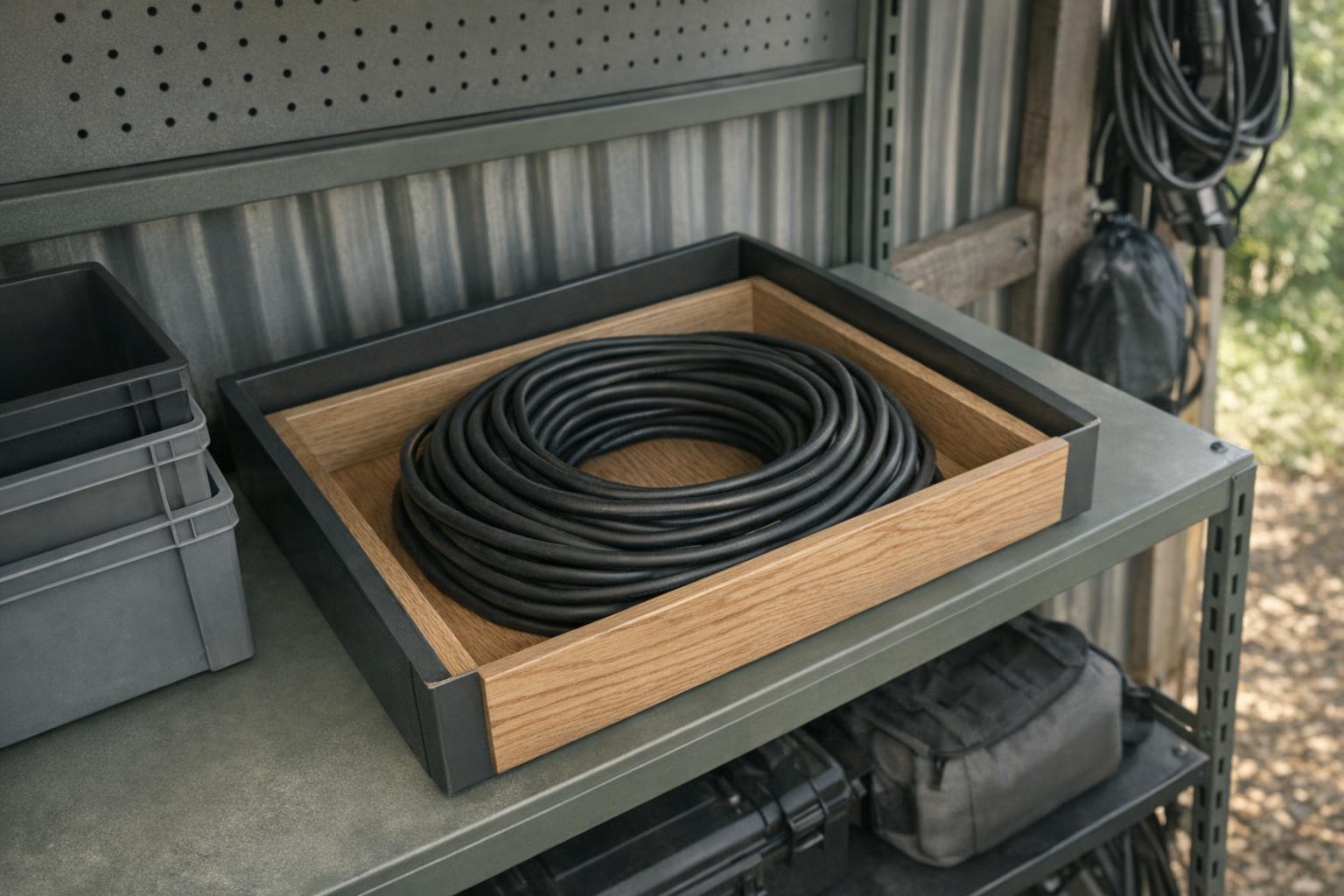
Maytronics recommends careful cable wrapping to avoid kinks and shaded storage for Dolphin equipment.[3] Follow the exact coil and support arrangement in your manual. Our accessory guide helps evaluate a compatible caddy or organizer. Choose it to support a real storage need, not on the assumption that a generic reel fits every cable.
Use a seasonal check to preserve the routine
Before putting the cleaner away, photograph its normal cable layout and label removable accessories by model. Keep the manual and service contact with those records. At the next opening, inspect the equipment before recreating the setup; do not assume winter storage left every connector and lead unchanged.
Use our seasonal care checklist for the broader handoff. If a persistent tangle returns after the documented adjustments, send support the pool sketch, setup photograph, and short behavior video. Do not promise yourself that a swivel, longer cable, or new supply will solve it without confirmation. The right result is a supported diagnosis and a manageable routine, not an expanding collection of incompatible parts.
Teach the routine to anyone who will put the cleaner away. Show where the supply belongs, how the manual says to handle the cable, and where to report damage. A quick handoff is especially useful before vacations or a change in pool-service responsibility. Leave the cleaner out of use if nobody can explain a new damaged area; do not let the next operator mistake a neatly stored cable for an inspected and approved one.